It doesn't seem possible to me to ban general purpose computers. Any society that tries would at best, lose to the ones that don't. It seems impossible to me to have enough surveillance to both prevent unauthorized code and also still allow effective/competitive software development.
It may not be technically possible, but that won't stop misguided people from trying to regulate Turing machines and exploit their vulnerabilities. Rather than putting so much energy into in regulation, surveillance and offensive measures, I suspect the "winning" strategy is to focus on secure, verifiable computing. Whoever masters this first will grow an immunity to (human and AI) cyber-threats and gain a significant competitive advantage in the digital economy.
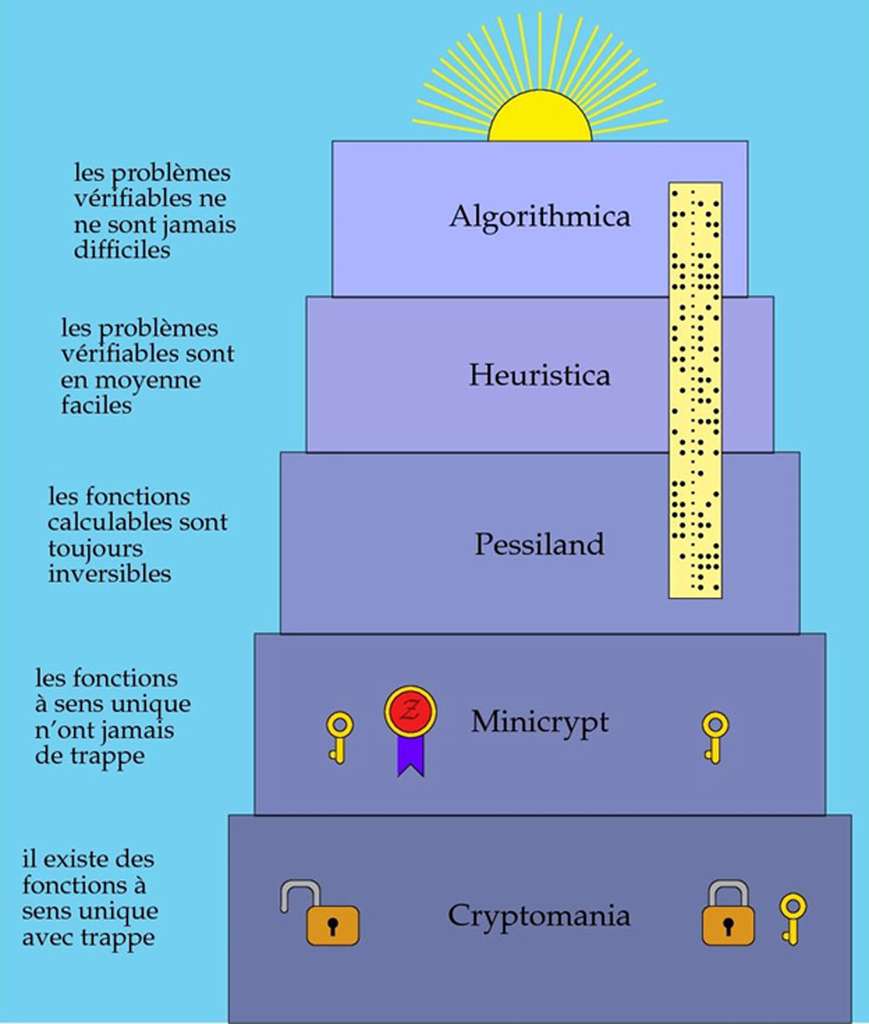
The extent to which truly secure computing is possible depends in large part on which of the many possible "cryptographic universes" we live in (based on how the algorithmic complexity categories like P and NP are).
There are different kinds of secure computing. The kind of security you are referring to is based on cryptographic schemes like homomorphic encryption or zero-knowledge proofs. The kind of security I am referring to is language-based security.