Because they don't. It's too much guesswork, and honestly pretty complicated. From the user perspective the TV would appear to go offline every now and then, so also somewhat easily detected.
It's much easier to just throw a $10 5G modem in there, pay the $2/year subscription fee for service, and extract data that way. Assuming a 5-10 year relevant lifespan of the TV, they'd throw $20-$30 on top of the sales price for the modem and 10 years of service.
The 5G modem could run completely independent of the wifi network, be a completely different circuit, and you'd never know it was there.
Cars having 5G connectivity is something that consumers actually want, it’s well documented on the spec sheets and marketing material, and obviously in a car WiFi is not going to work in most places. None of those things apply to TVs.
The linked image shows a module meant for easy integration, but it could also simply be a part of the main board of the TV. They could "hide" the GSM antenna alongside the wifi antenna.


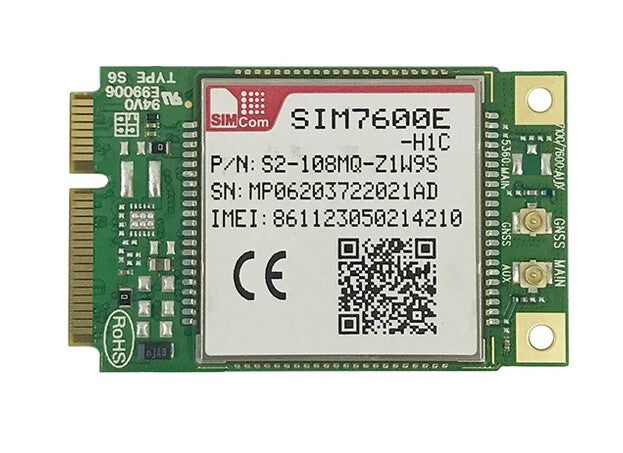
It's much easier to just throw a $10 5G modem in there, pay the $2/year subscription fee for service, and extract data that way. Assuming a 5-10 year relevant lifespan of the TV, they'd throw $20-$30 on top of the sales price for the modem and 10 years of service.
The 5G modem could run completely independent of the wifi network, be a completely different circuit, and you'd never know it was there.