Links which are nofollowed are still seen by users & can still impact that user's experience with the website. Yet those are fine, even if they point at spam, because they don't have a significant impact on Google.
So then what's the difference between disavows and having the links removed? Getting the links removed costs far more time & money. And it gives Google a data mining stream of feedback they can leverage to dish out further penalties.
Google requires some of the links to be removed not because it improves the web, but rather their goals & interests are aligned with punishment. They want to add cost & uncertainty to SEO in order to discourage investment in SEO from entities not formally connected to Google.
> So then what's the difference between disavows and having the links removed? Getting the links removed costs far more time & money. And it gives Google a data mining stream of feedback they can leverage to dish out further penalties.
That's a good thing right? Pushing sources of bad links down through the basement, effectively nuking the source/network from the link graph.
You know Google's ranking system is based on information, and adding more information leads to better results for the Web user.
Unfortunately, in reality, both of those ifs are hypothetical & untrue. Which means it is absolutely not a good thing.
>You know Google's ranking system is based on information, and adding more information leads to better results for the Web user.<
Quality of information matters as much as the volume of information. Look at Demand Media's current stock price for an example of this.
But in terms of links, you have to think through the impacts here...
Yes if Google freezes some activities they dislike then perhaps that is a net positive for relevancy, however the more they fear-monger about links the less natural linking goes on. Most of the major social sites put nofollow on almost all external links. And with the sea of fear approach to relevancy, in some cases magazines or newspapers will profile a person & not link to the source in spite of the entire article being about that source. I've spent many hours being cited by journalists where in spite of being good enough to be the primary source for their content, there was no link citation.
paraphrasing David Naylor's excellent recent video
http://youtu.be/UdflGrCJxYc?t=1m50s
"More and more high profile websites are having a no linking policy. Which really is kind of weird isn't it, because if that is a journalistic website and they are writing about your website surely those are the kinds of links Google would want to see. ... It seems kind of weird that the links Google actually wants you to get are the first links to dry up on the web." - David Naylor
The other important factor is the quality of the information created by those who are trying to do disavows and link removals. When people are irrationally driven by fear while in a harmed state, they are NOT acting rationally. Business owners who are selling off assets, firing employees, stalling with creditors, aligning predatory lending to try to keep things afloat, etc. are stressed out & are likely to make many poor decisions in that rushed & panicked state.
Thus some of that more information which is created is junk misinformation.
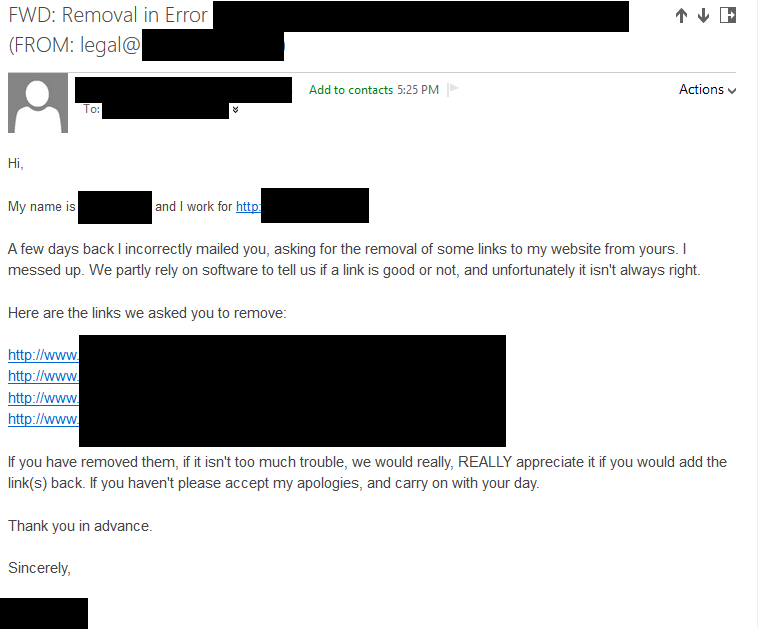
Consider this email:
http://www.seobook.com/images/link-unremoval.png
They asked the website to remove the link claiming it was unnatural, and then they emailed again to ask the website to ignore the removal request.
They don't know which links are "unnatural" and so they are using automation to try to sort through it all. Are their automated quick guesses (which are often driven by tools) more useful than all of Google's internal reviews & ratings data which has been built up for over a decade? Color me skeptical.
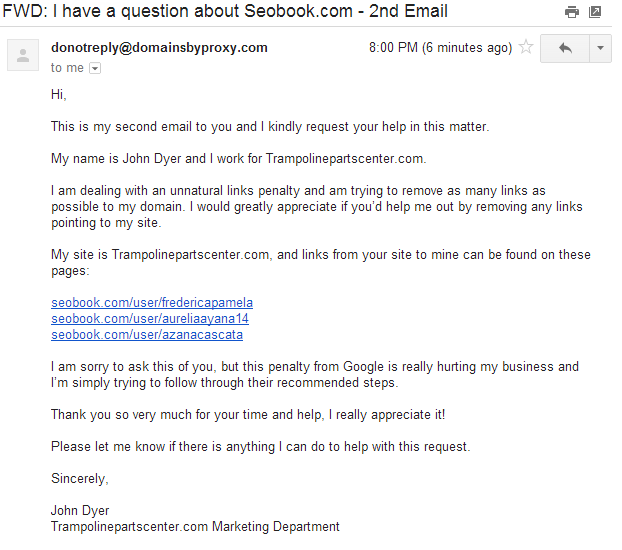
There's another factor with the disavow data as well. Look at this removal request
http://www.seobook.com/images/trampolines.png
Our site has about 20,000 unique linking domains referencing it. However over the years we have had well over a million registered user profiles. If only 2% of the registered user profiles were ignorant spammers who spammed our profile pages and then later added our site to a disavow file, we would have more people voting against our site than we have voting for it. And those profile pages were already not indexed & the links were nofollowed anyhow. Those pages are effectively outside the search game, yet those ignorant spammers can still create negative votes against our site based on the fear-mongering.
And as bad as that sounds, there's no reward for actually removing the bad links either. At some SEO conferences numerous SEO experts have gave the advice to "just disavow them anyhow" even if the links are removed. Thus this deluge of email spam offers publishers no value whatsoever, just sunk cost & wasted time - time which could have been spent creating useful information.


So then what's the difference between disavows and having the links removed? Getting the links removed costs far more time & money. And it gives Google a data mining stream of feedback they can leverage to dish out further penalties.
Google requires some of the links to be removed not because it improves the web, but rather their goals & interests are aligned with punishment. They want to add cost & uncertainty to SEO in order to discourage investment in SEO from entities not formally connected to Google.