It's not the whole story but it isn't nonsense. You literally can't restructure a company in Germany without doing a year long song and dance with the worker's council. This is not agile enough for a startup.
You don't have that problem in Canada, and you have many of the same advantages but you don't have nearly the amount of startups and definitely almost no big ones.
The problem (and opportunity for US investors) is Canada has almost no VC, and the few they have are extremely risk averse.
One one side they held back economic and social growth of ~1/3rd of the population for more than a century through systemic racism and discrimination. On the other side, the government has created little incentives for capital owners to take more risks thanks to policies that artificially propped up real estate (enormous immigration quotas, lax laws on foreign money entering the country, no market correction post 2007 crash).
Why invest in hard to understand and uncertain tech when you can simply build luxury houses and sell them to wealthy foreigners?
> The problem (and opportunity for US investors) is Canada has almost no VC, and the few they have are extremely risk averse.
Based on all the stories we've heard over the past week from VCs and entrepreneurs about how SVB was the only bank willing to open accounts and extend credit to startups, I think many people underestimated that bank's importance in the Bay area economy. (I've also been startled by just how important SVB's UK, Canada, and even China branches seem to have been for their startups.)
While SVB wasn't present in most other areas of the US, there is an extensive network of regional banks (of which SVB was one), so the odds that one is going to offer a no-revenue tech startup in Nashville or Phoenix or Worcester the financial help it needs to get started aren't bad. Now compare that to Canada, which has the Big Five national banks, tiny credit unions, and almost nothing else; apparently this makes borrowing money much, much more expensive than in the US. I hear that Australia is the same way.
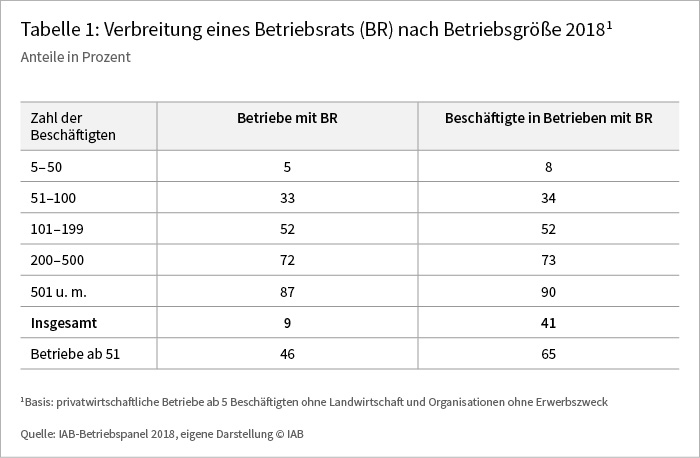
As of 2018, only 5% of German companies of 5 to 50 employees had a worker's council.[1] And even if a council exists it is just max. 3 members at this size.
I can imagine that in some cases the council makes necessary restructuring more difficult, but in the crises of the last decades, works councils and trade unions in Germany were much more willing to compromise than in many other European economies where this so-called "social partnership" is not so pronounced, for example in France. All in all, it seems that worker's councils in Germany are a quite successful institution to mitigate conflict between employees and management.
"...without doing a year long song and dance with the worker's council."
Germany is no exception, much of Europe and the UK are the same. One can argue over which European country is worst or best but it's small crumbs. Look at France and the current arguments over retirement age, it's all part of the same cultural problem I mentioned elsewhere.
Europe is an old society with old traditions, the US less so and its west coast even less so, so it's not an unexpected problem for Europe. The West's real problem is how to deal with it.
Asia, on the other hand, has even older cultures but having largely missed the old Industrial Revolution they've also missed the cultural baggage and artifacts it imposed on the West. This has allowed Asian countries to jump over these hurdles, that's why they are doing so well now.
I feel far from optimistic that the West can overcome this cultural baggage easy. But I hope I'm wrong.
The industry is a lot "closer" than people expect; it runs a lot more on handshakes and people going to the same parties than on cold numbers, so not only do startups have to be in the US they have to be specifically in SV.
Two decades ago at a UK chip design software startup, the founders started a US branch and migrated there for just this reason.
(The SVB bank run shows how strong the "being in the right whatsapp group message chat" is)
It's also the sheer amount of laws and regulations around opening and running a business that makes it really hard for small organizations to get started. There's a LOT of paperwork around the EU, and as soon as you want to sell to the neighboring countries it's a lot of additional paperwork, red tape and regulations (it's better than it was still).
A founder from Europe explained the 4th person to join the company as the 2nd employee (their first hire was an engineer) was a non-technical person whose job was mostly to fill out grant application forms. There are hundreds of different grants for companies with a long list of criterions. For example, they could have the countries government (so the taxpayer) foot the bill for a fraction of an employee's salary if he or she was a refugee from certain target countries. Of course, the local government had a similar scheme with a completely different application process and slightly different criterions.
None of the grants had anything to do with their tech or how viable the business was by the way.